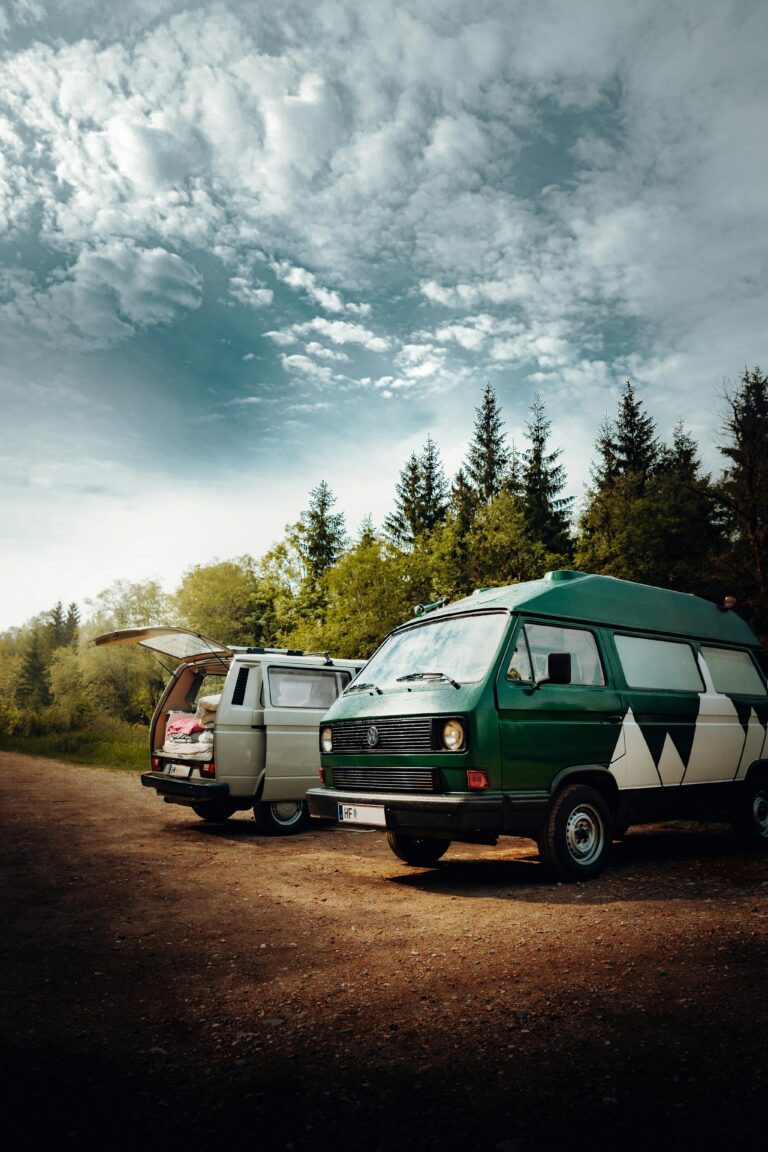
Best Power Stations for Overlanding: What Actually Happens When One Dies 60 Miles from Home
If you’ve never had a power station die on you in the middle of a hunting trip near the Tetons with two freshly gutted elk and a 10-hour drive ahead of you, consider yourself lucky. I have. And that experience taught me more about what actually matters in an overlanding power station than any spec sheet ever could.
Here’s what I use, what I trust, and what you should know before you buy.
Why Overlanding Demands More From a Power Station
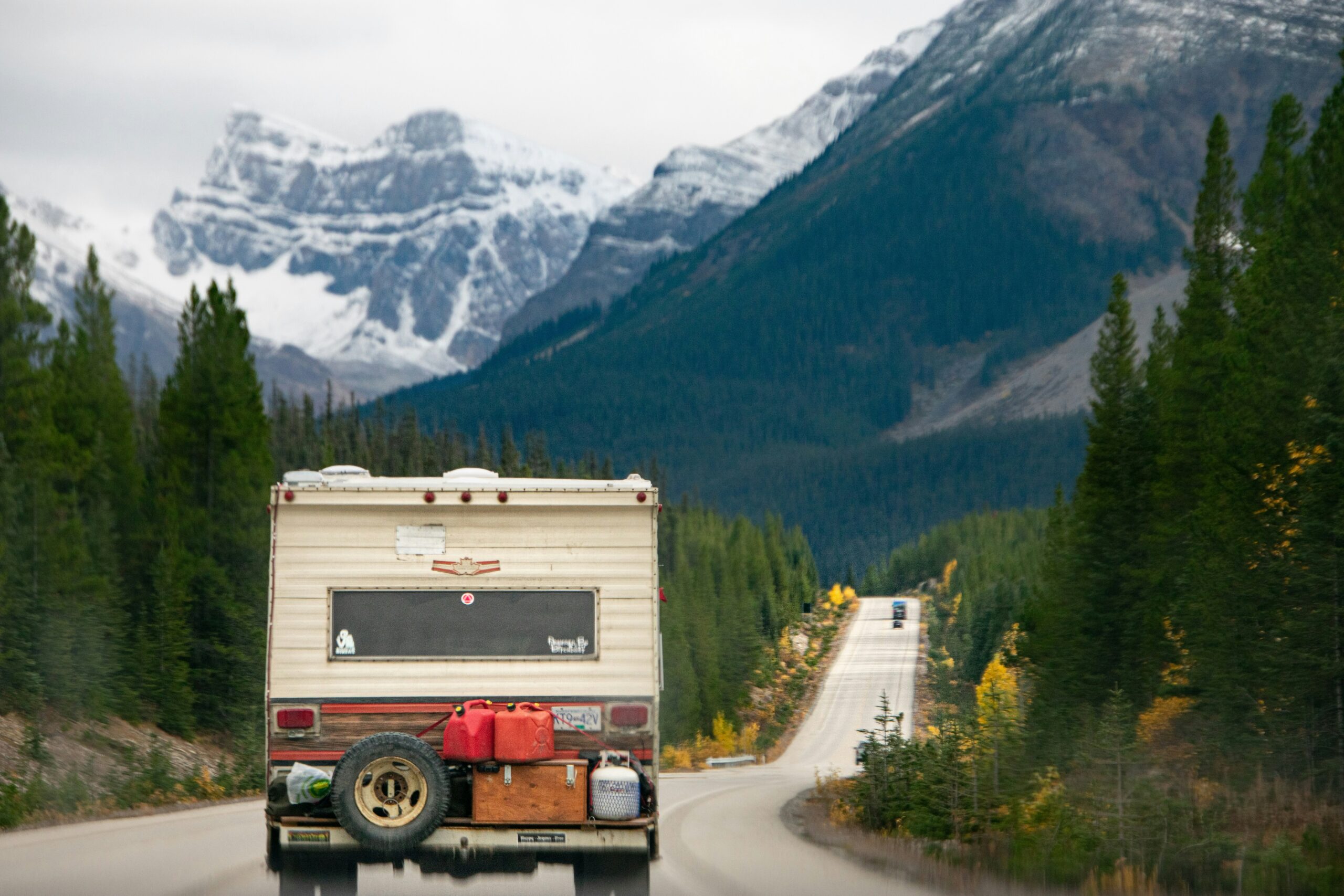
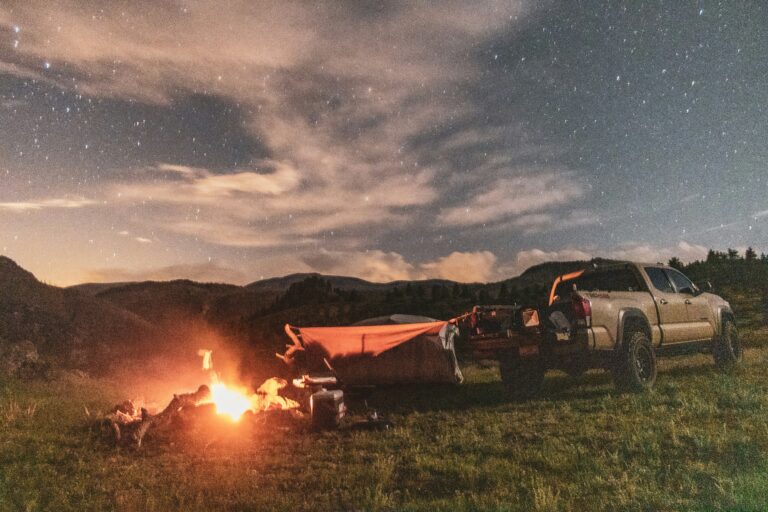
Car camping is forgiving. If your power station struggles you just plug into a campsite hookup or drive home early. Overlanding is not forgiving. When you’re 60 miles deep into the backcountry near the Wyoming border with no cell service and no backup plan, your power setup either works or it doesn’t. There’s no middle option.
The best power stations for overlanding need to do a few specific things that a typical camping unit doesn’t. They need serious capacity because you’re out there for multiple days. They need to survive rough roads and temperature swings without throwing a fit. They need enough output to run real appliances like a fridge or a freezer, not just charge your phone. And they need to recharge fast enough that a quick stop with hookups actually tops them off before you head back out.
The Time Two Elk Nearly Ended Our Trip
A few years back my buddy and I were hunting near the Tetons and somehow we both shot an elk on the same day. That was not the plan. We had two RVs, two freezers, and what we thought was enough power for everything. What we did not plan for was one of our power stations completely dying — not just running low, but fully shutting off and refusing to recharge at all.
Suddenly we had two freezers full of fresh elk meat and one working power station between us. On a 10-hour drive home. With lights and AC also running in the vehicle.
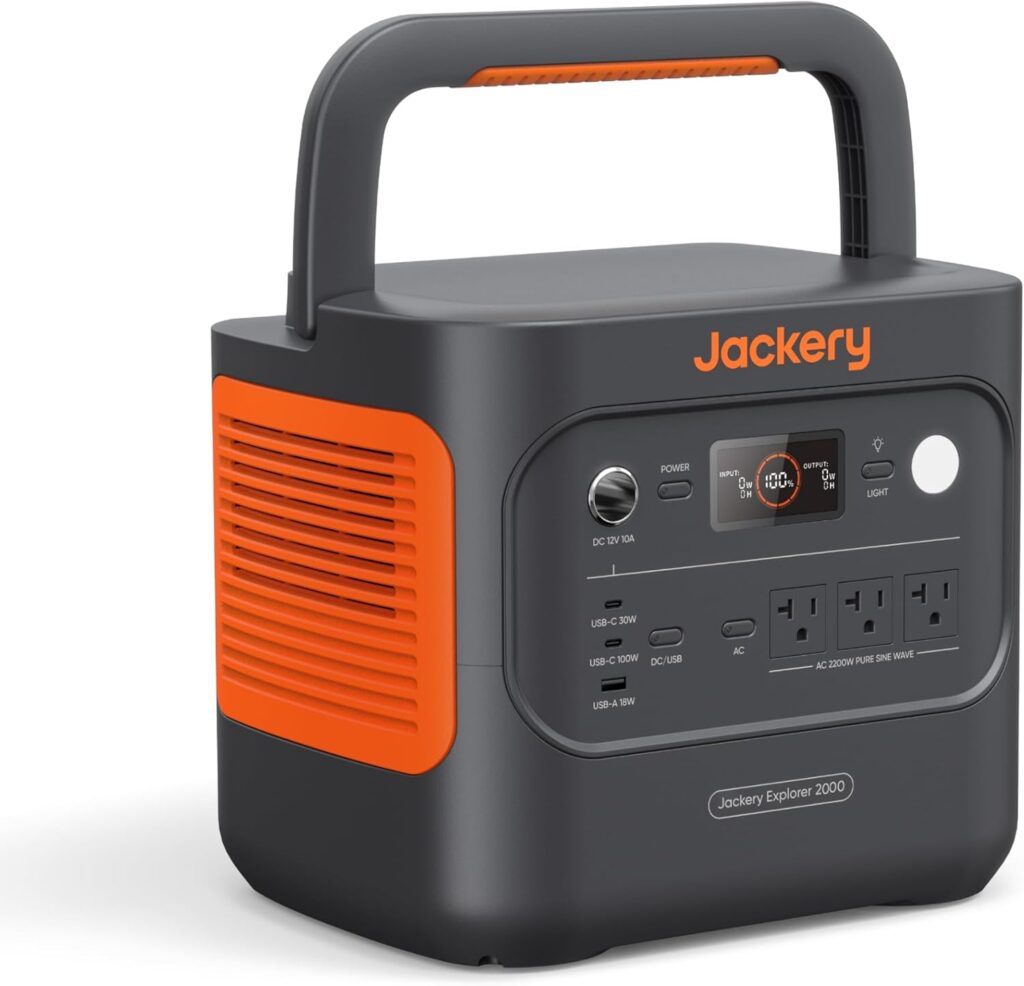
We plugged both freezers into the Jackery Explorer 2000 and just hoped. It ran both freezers plus the lights and the air conditioning the entire way home without dying. By the time we pulled into the driveway and transferred everything into our home freezers, that thing still had juice left. I’ve never been so grateful for a piece of gear in my life.
That trip is why I’m very particular about what I recommend for overlanding. The stakes are real.
The Three Power Stations I Actually Use and Trust
Jackery Explorer 1000 v2
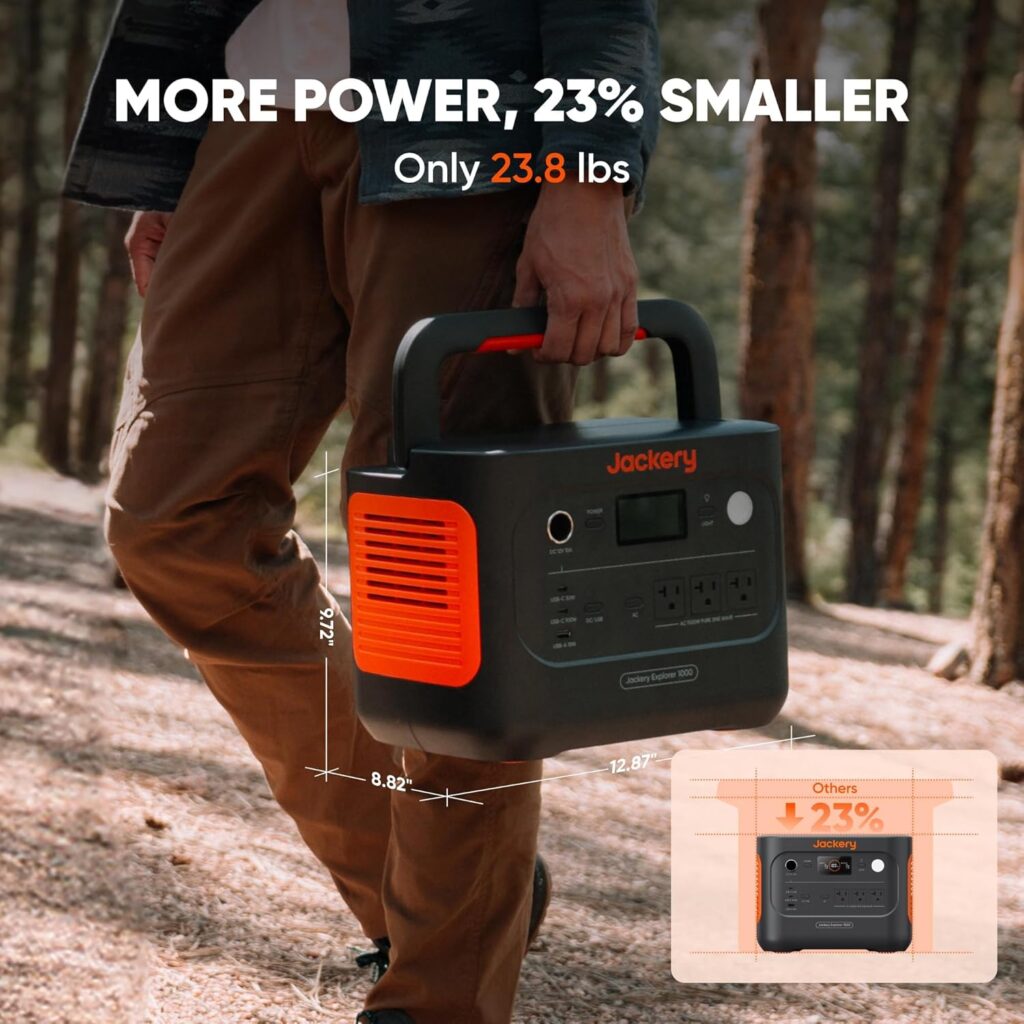
The Jackery Explorer 1000 v2 is what I bring on shorter overlanding trips where I’m not running a full camp setup. At 1,070 watt-hours it handles a weekend without breaking a sweat and the 1 hour fast charge means if I stop somewhere with power I’m back to full before I’ve finished lunch.
What makes this one stand out from the older Jackery models is the LiFePO4 battery with a rated 4,000 charge cycles and a 10-year battery life claim. That’s the kind of longevity that matters when you’re buying a piece of gear you want to use for years. Jackery has been making these long enough that they’ve gotten the build quality right and it shows in how solid this unit feels in the field.
At $449 it hits the sweet spot for most overlanders who don’t need the full capacity of a bigger unit but still want something that can handle real appliances and rough conditions without complaining.
Jackery Explorer 1000 v2 — CHECK CURRENT PRICE
EcoFlow DELTA 2
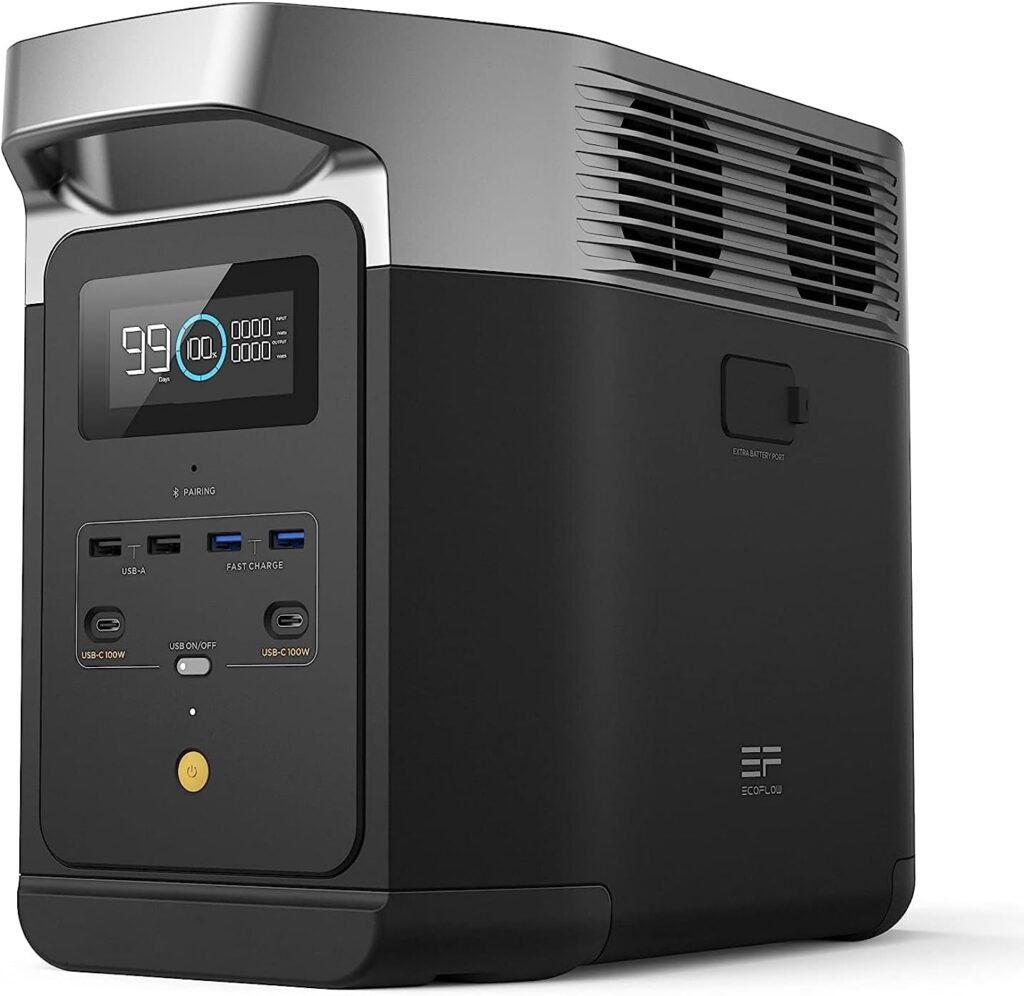
The EcoFlow DELTA 2 is the one I reach for when I need the most adaptable setup possible. Same 1,024 watt-hours as the Jackery 1000 v2, same price at $449, but it does a few things differently that make it worth keeping in the rotation.
The fast charging on the EcoFlow is genuinely impressive even compared to Jackery’s already fast charge. Zero to 80 percent in about 50 minutes. On an overlanding trip where you’re stopping at a campsite with hookups for one night and heading back out the next morning, that speed is the difference between leaving with a full battery and leaving at 60 percent.
What really makes it stand out though is X-Boost, EcoFlow’s technology that lets the unit power appliances that technically draw more wattage than it’s rated for. In practice that means it can handle things like hair dryers, electric skillets, and higher-draw gear that other units at the same capacity would just shut down on. On our trips we’ve run everything from mini fridges to grills to air compressors off the EcoFlow and it adapts without complaining.
It also has an LFP mode that optimizes the battery for long-term health if you want to preserve it over years of use. That kind of adaptability is why this unit has become one of the most reliable pieces of gear in our setup.
EcoFlow Delta 2 – CHECK CURRENT AMAZON PRICES
Jackery Explorer 2000 v2
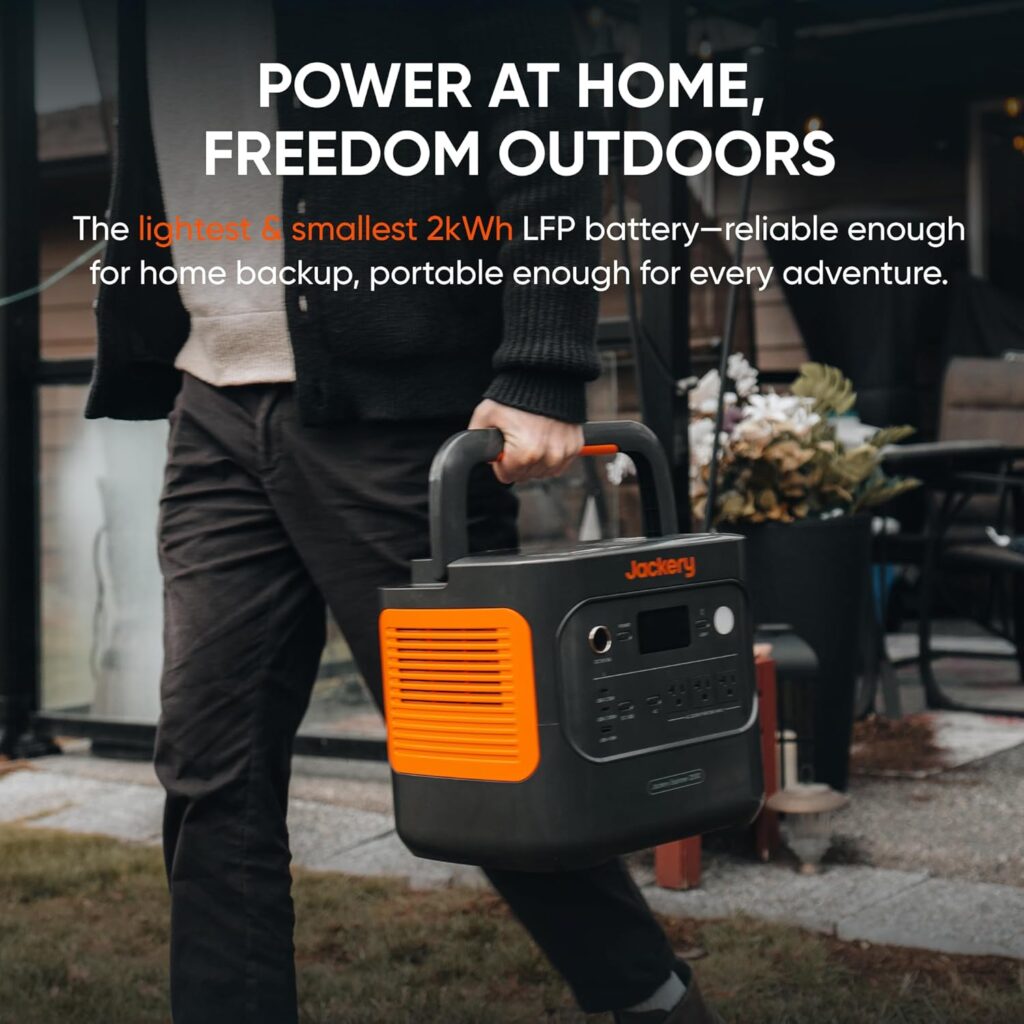
This is the one that saved our elk meat. At 2,042 watt-hours and 2,200 watts of output it’s built for exactly the kind of situation where everything else fails and you need one unit to carry the whole load.
For serious overlanding where you’re running a fridge, multiple devices, lights, and possibly a heater or AC through the night, the 2000 v2 is in a different league than the 1000-watt-hour units. The capacity difference isn’t just a number on paper. It’s the difference between rationing your power usage on day three of a five-day trip and just running what you need without thinking about it.
The 2,200 watt AC output means it can handle virtually any appliance you’d bring overlanding. The LiFePO4 battery is rated for 4,000 cycles with a 10-year lifespan. And at 3K plus units bought on Amazon last month, it’s not a niche product — this is what serious overlanders are actually buying.
At $899 it’s a real investment. But if you’re the type of person who uses a power station as a critical piece of infrastructure on a long trip rather than a nice-to-have accessory, the 2000 v2 is the one that won’t let you down when it matters.
JACKERY EXPLORER 2000 V2 – CHECK AMAZON FOR CURRENT PRICES
Which One Should You Buy
For most overlanders the EcoFlow DELTA 2 is the pick at $449. The fast charging, X-Boost adaptability, and LFP mode give you the most flexibility at that price point. It’s the one I’d tell a friend to buy first.
If you’re doing multi-day trips, running a fridge around the clock, or you’ve been burned before by a unit that couldn’t handle everything you threw at it, get the Jackery Explorer 2000 v2. It’s the ultimate option when the stakes are real. The elk trip proved that.
You can also check out our full breakdown of the best portable power stations for car camping if you want to see how these units compare for less demanding setups.
BEST PORTABLE POWER STATIONS FOR CAR CAMPING
And if you’re pairing your power station with solar for multi-day trips, our guide to the best portable solar panels for camping covers the panels that actually keep up with units this size.
BEST PORTABLE SOLAR PANELS FOR CAMPING
The Bottom Line
The best power station for overlanding is the one that works when everything else has gone sideways. I learned that lesson the hard way near the Tetons with two elk and 10 hours between me and home. The Jackery Explorer 2000 v2 did not flinch. Neither has the EcoFlow DELTA 2 or the Jackery 1000 v2 in the years since.
Buy something you trust before you need it. Out there you won’t get a second chance to make a different choice.
JACKERY EXPLORER 2000 V2 ECOFLOW DELTA 2 JACKERY EXPLORER 1000 V2
Disclosure: This page contains affiliate links. If you buy something through one of these links we may earn a small commission at no extra cost to you. We only recommend gear we have actually used.